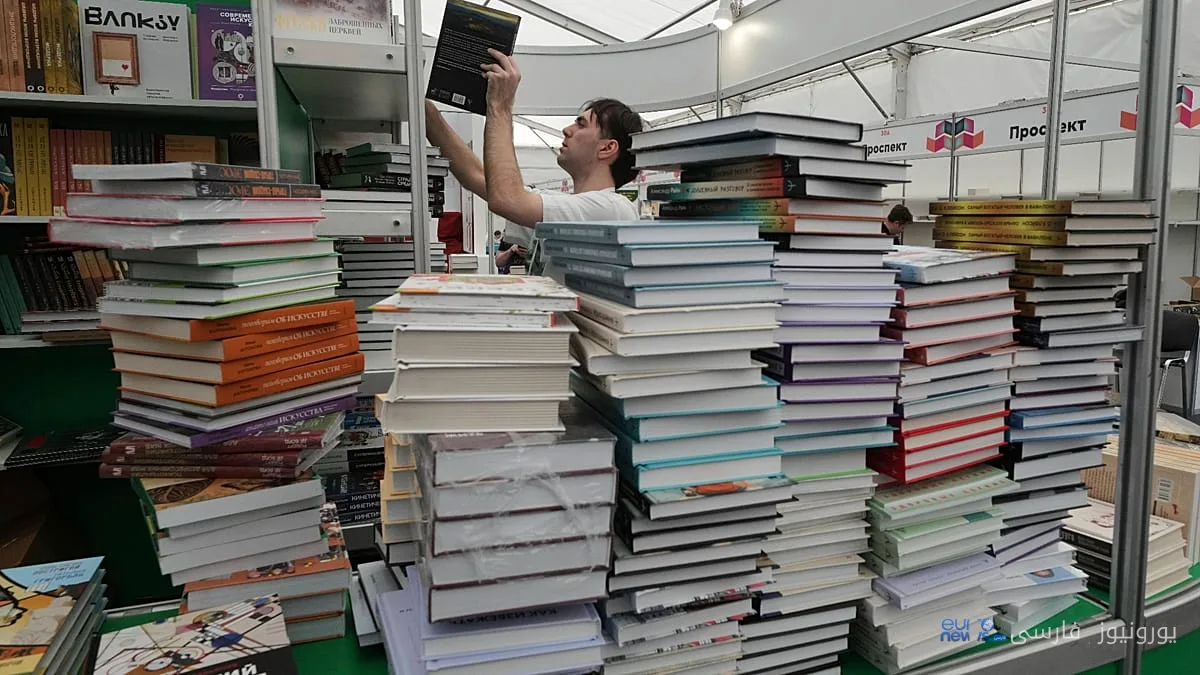
Latvia has made a controversial and historic decision to ban imports of books, press, and other consumer goods from Russia and Belarus. This small Baltic country, which has recently adopted stricter policies regarding information threats, has described this action as a vital step in countering the "hybrid war" and Kremlin war propaganda.
Why did Latvia make this decision?
In recent days, the Latvian government stated that this decision was made to reduce vulnerability in the information space and prevent the negative influences of Russian and Belarusian media. The country believes that misinformation and war propaganda can pose a serious threat to its society and culture.
Latvia, as one of the European countries with a history of security threats from its eastern neighbors, is seeking to strengthen its national security and preserve its cultural integrity. This decision may potentially impact the country's cultural and economic market, but the government has accepted this risk to address acute threats.
Consequences of this action for other countries
This action by Latvia could serve as a signal for other European countries. With growing concerns about informational and cultural impacts, other countries may also seek to adopt similar measures. This issue reflects significant changes in cultural and informational policies across Europe, which could lead to increased tensions in international relations.
Ultimately, the ban on imports of Russian and Belarusian goods in Latvia is not only an internal decision but also part of a larger approach to address rapidly changing global challenges. Will other countries follow this path as well?