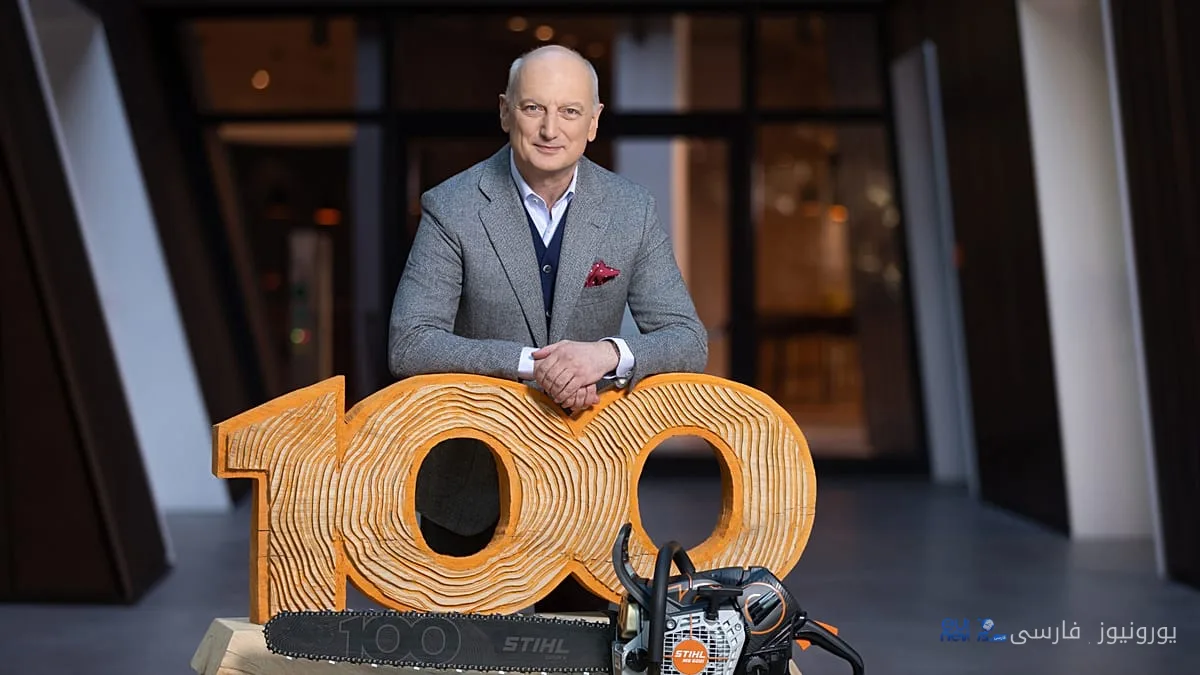
In today's complex economic world, a doctor named Nicolas Steel, the chairman of the supervisory board of the famous brand Steel, has made controversial comments about the economic future of Germany. In a new note, he has pointed out the necessity of bold reforms and more work without wage increases, challenging the question of whether people can truly sacrifice their well-being to save their country's economy.
۴۰-Hour Workweek Without Wage Increase
Steel believes that implementing a ۴۰-hour workweek without wage increases will help maintain Germany's welfare and welfare system. He emphasizes that under current economic conditions, workers must contribute more to improving the country's economic situation by increasing their working hours. However, the question arises whether such an approach will truly benefit workers or simply place a heavier burden on them.
These statements come at a time when many German workers are under severe economic pressure, and rising living costs, especially in housing and energy, have challenged their daily lives. Can we really expect people to work more hours without higher pay?
Is This a Real Solution?
Many criticisms have been raised against this viewpoint. Critics argue that such demands will not only fail to improve the economic situation but may also lead to greater dissatisfaction and fatigue among workers. In fact, this attitude can be interpreted as a form of disrespect for the efforts of workers who are always striving to maintain their quality of life.
In this context, the main question is whether Germany can overcome economic crises while maintaining social welfare. Can economic growth truly be achieved by increasing working hours without regard to wages and benefits?
Steel's words actually reflect the significant challenges that the future of Germany's economy will face. Perhaps it is time to focus more on improving the working and living conditions of workers instead of increasing working hours.