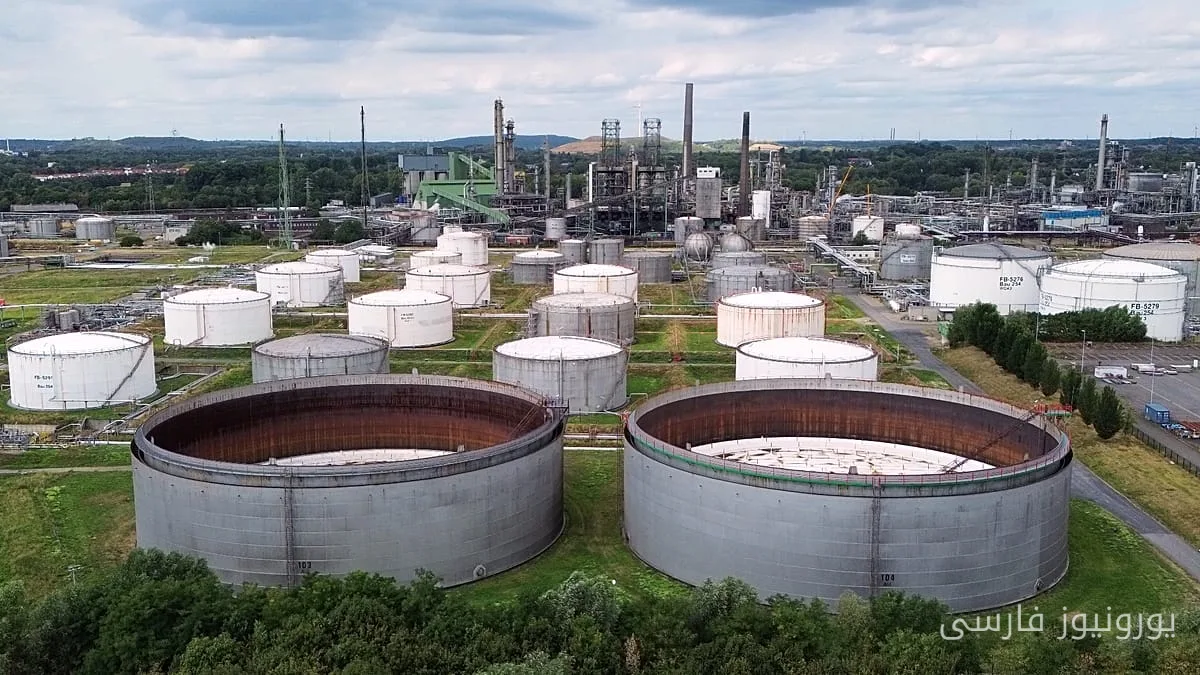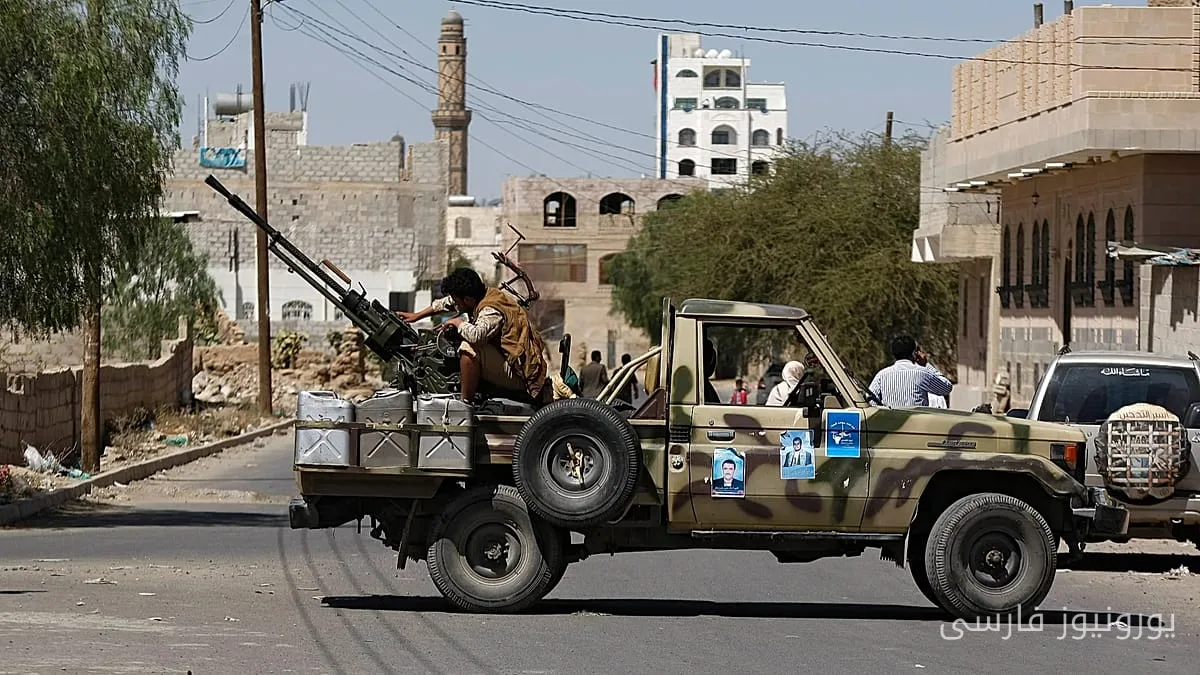
In the latest developments in the Middle East, Saudi Arabia has reacted strongly following one of the most severe Houthi missile attacks on its oil facilities. These attacks, which targeted Abha International Airport, King Khalid Air Base, and Aramco oil facilities, resulted in ۷۳ injuries and the temporary shutdown of some of these facilities.
Adverse Consequences of Houthi Attacks
The recent attacks reflect the intensity of tensions in the region, which have significantly increased, especially after peace agreements between Iran and Saudi Arabia in recent months. These conflicts seem to complicate the situation further and affect the diplomatic relations of the countries in the region.
Immediately following these attacks, Saudi Arabia launched strikes on the provinces of Taiz and Marib in Yemen. This action is not only a response to the Houthis but also demonstrates Riyadh's determination to confront strategic threats. Analysts believe that Saudi Arabia is now caught in a 'spiral of escalating tensions,' the consequences of which could directly impact the global oil market.
Future of Oil Facilities and Energy Security
These attacks not only jeopardize Saudi Arabia's internal security but could also negatively affect global oil prices and international energy security. Given the importance of Saudi oil facilities for global energy supply, any unrest in the country could have widespread repercussions.
As tensions rise, the future of the region will heavily depend on the responses of Saudi Arabia and the Houthis. Can Saudi Arabia navigate out of this crisis, or will these tensions lead to a protracted war?