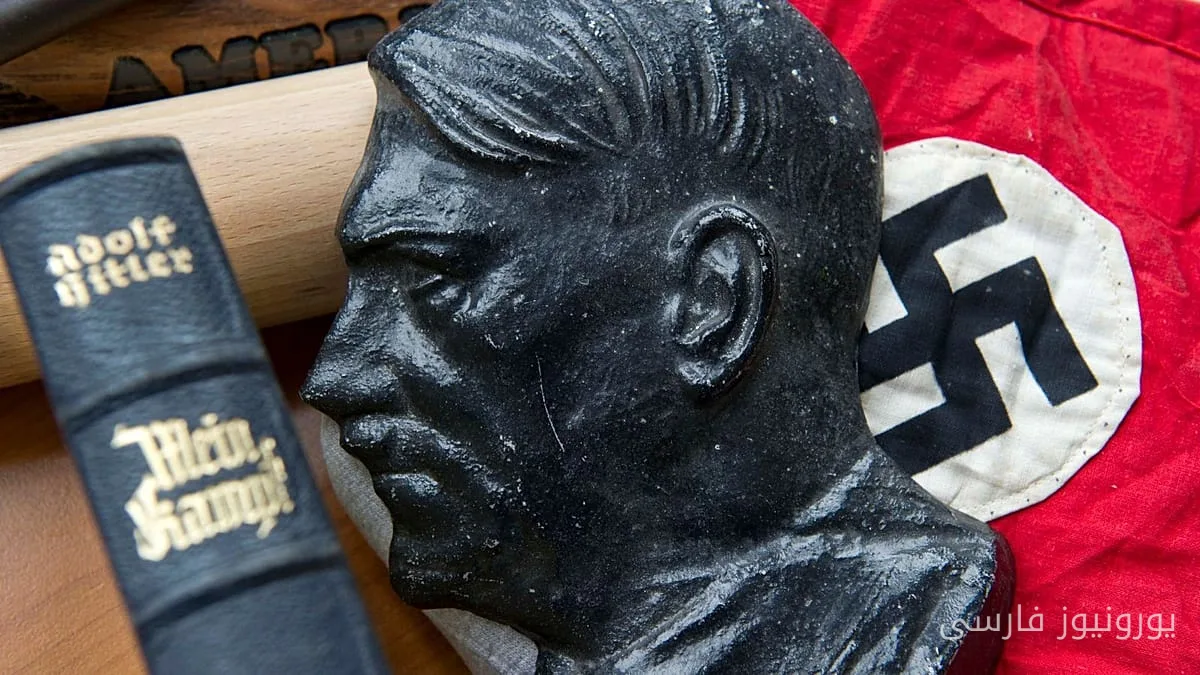
Europe in ۲۰۲۶ is experiencing a situation where the term 'Nazism' is unusually heard in the political and social conversations of the continent. On one hand, Russia has used this term as a political tool to criticize Germany and NATO's positions, while on the other hand, Germany's allies, especially in Eastern Europe, are also seeking to create sensitivity in this regard.
Is History Repeating Itself?
One of the issues particularly raised among Eastern European countries is the reminder of history and the crimes of the Nazis during World War II. These countries seek to use this term as a warning to the international community and challenge Germany for its dark history. Meanwhile, Russian politicians are also trying to strengthen their narrative regarding Western interventions in Ukraine by using this topic.
Political and Social Consequences
The repetition of the term 'Nazism' in political discourse has not only intensified tensions between European countries and Russia but has also impacted public opinion. This issue could have profound social and political repercussions, especially in countries with a bitter history of war and violence.
In this context, some analysts believe that the use of this term can serve as a media tool to provoke nationalist sentiments and strengthen ethnic identities in Europe. In fact, for some countries, the use of 'Nazism' is considered a political strategy aimed at creating a sense of common danger and threat.
Ultimately, it remains to be seen whether this repetition of the term 'Nazism' will lead to a new crisis in Europe or if it is merely a political toy for specific purposes. The ghost of Nazism in today's Europe acts as a warning and historical reminder that still resides in the shadows of history.