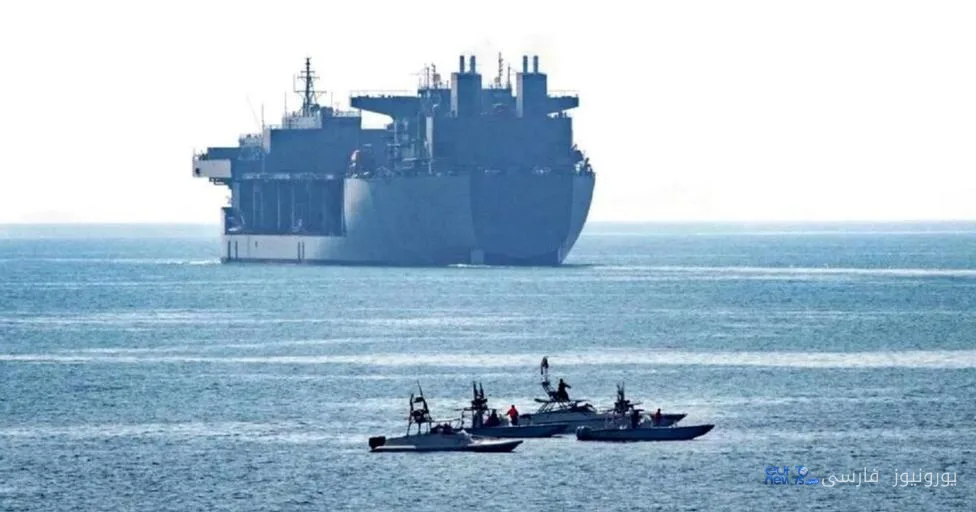
The Strait of Hormuz, one of the most important waterways in the world, is currently overshadowed by political and economic developments. The Secretary of the Supreme National Security Council of the Islamic Republic has stated that as long as the United States does not accept Tehran's six conditions, there will be no reopening of this strait. This announcement clearly indicates Tehran's strong and inflexible positions in the face of international pressures.
Tehran's Conditions: A Path to Diplomacy or Increased Tension?
The conditions set by the Supreme National Security Council include key issues such as the reduction of sanctions, guarantees for maritime security, and respect for Iran's rights in the energy sector. These conditions are not only seen as a diplomatic solution but can also be viewed as a serious obstacle to any future negotiations with Washington.
The Iranian government has clearly stated that these conditions are not only for the protection of the national interests of the country but also as a reaction to the unilateral and illegal sanctions imposed by the United States. It seems that Tehran is seeking to create an international alliance to counter economic pressures.
Consequences of Non-Acceptance of Conditions
If the United States does not comply with these conditions, we may witness continued tensions in the region and negative impacts on the global oil market. The Strait of Hormuz, as one of the most important oil transit points, means that any disruption there could lead to price increases and severe fluctuations in global markets.
Considering that Iran uses this strait as a powerful tool in its diplomacy, future U.S. decisions regarding these conditions could be decisive. Will Washington be willing to respond positively to these conditions to maintain calm in the global oil market and prevent increased tensions in the Persian Gulf?