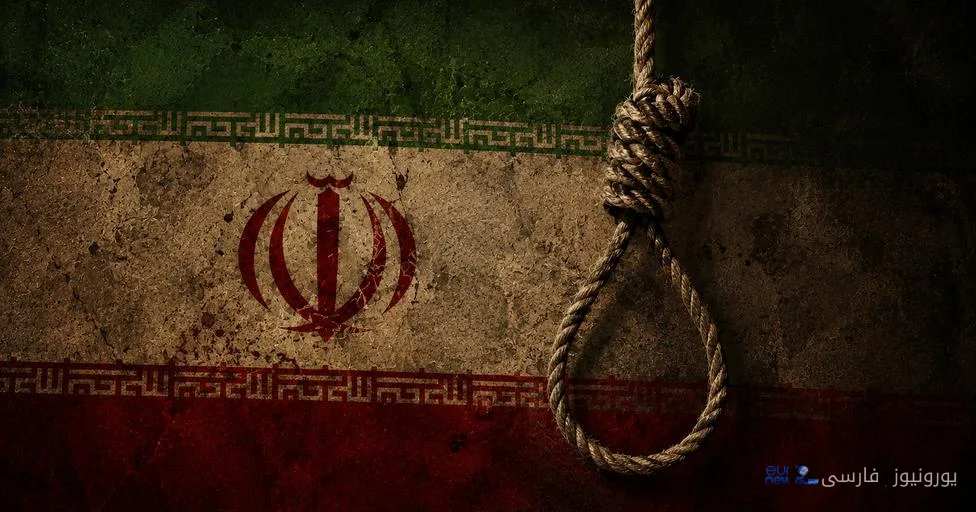
Since March ۱, ۲۰۲۵, at least ۴۰ death sentences have been issued in Iran. These executions include ۱۲ individuals charged with espionage and ۲۶ detainees from the protests of December ۲۰۲۵. Additionally, two other protesters are also on this list. This issue has not only affected society but has also exacerbated human rights challenges in Iran.
A Look at the Lives and Futures of the Executed
The executed, especially those tried for espionage, represent different faces of society. Each of these individuals has stories hidden behind their faces. They live in a world where their names, instead of being symbols of hope and change, become symbols of fear and violence. This situation not only impacts their families but also drives society towards despair.
Social and Political Impacts of Executions
Executions are used as a tool to instill terror in society. This policy affects not only ordinary people but also specifically impacts political and social activists. This situation has significantly overshadowed the political atmosphere of the country and affects the right to freedom of expression and peaceful assembly. In these circumstances, many individuals wonder whether their voices will be heard in this dark world.
Meanwhile, the hopes and dreams of the executed are gradually fading. Their families await justice, but under current conditions, achieving justice seems distant. Nevertheless, each of these names represents a story and a struggle for life and freedom.